Top Business News- News18.com

Sunday, May 10, 2020

So can I invest now, for my vacation 8 months later?

Articles about Mutual Funds are usually written for planning to achieve certain long term specific goals, and investors assume that other goals, especially short term cannot be achieved.
Let us break this myth with an example.
Ramesh, a travel junkie got to satisfy his wanderlust, when the company he worked for achieved success and rewarded its employees with bonuses.
With his bonus Ramesh decided to go on a Europe trip, but his work on a big and prestigious project was incomplete and approaching its deadline. The project would end in the next eight months.
The exact date of Ramesh’s trip is yet to be finalized. Looking at his expenses- some money needs to be spent before and some during the trip. Uncertainty regarding the exact dates on which how much money is to be paid is there.
Certain Mutual Fund schemes are ideal for such cases.
Ideally Ramesh should park these savings into a liquid fund to take them out on any working day. Money will be in his account the day after he submits a request for withdrawal. Ramesh can even request for withdrawal through an SMS or App.
Planning for even short term goals becomes convenient with this.

8 నెలల తరువాత  సెలవుల కోసం ఇప్పుడు పెట్టుబడి పెట్టవచ్చా?

మ్యూచువల్ ఫండ్స్ గురించి ఆర్టికల్స్ నిర్దిష్ట లాంగ్ టర్మ్, నిర్దిష్ట లక్ష్యాలను సాధించడానికి ప్రణాళిక చేయడానికి రాయబడతాయి మరియు ఇన్వెస్టర్లు ఇతర లక్ష్యాలు, ప్రత్యేకంగా షార్ట్ టర్మ్ సాధించలేనివని అనుకుంటారు.
ఈ అవాస్తవాన్ని ఒక ఉదాహరణతో ఖండిద్దాము.
రమేషుకు ప్రయాణాలు అంటే ఇష్టం, అతను పనిచేసే కంపెనీ విజయాన్ని సాధించి, తన ఉద్యోగులకు బోనస్‌ను బహూకరించినప్పుడు, చూడాల్సిన ప్రదేశాలకు వెళ్లాలని అనుకున్నాడు.
అతని బోనస్తో రమేష్ యూరప్ ట్రిప్కి వెళ్ళాలని అనుకున్నాడు, కానీ పెద్ద పేరున్న ప్రాజెక్టు పని అసంపూర్తిగా ఉంది. గడువు తేదీ దగ్గరపడుతోంది. ప్రాజెక్ట్ రాబోవు 8 నెలల్లో పూర్తి కావచ్చు.
రమేష్ ట్రిప్ యొక్క ఖచ్చితమైన తేదీ ఇంకా నిర్ణయించబడలేదు. అతని ఖర్చులు చూస్తే - కొంత డబ్బు ముందుగా మరియు కొంత ప్రయాణ సమయం లో వెచ్చించాలి. ఖచ్చితమైన తేదీలలో మరియు అక్కడ ఎంత డబ్బు చెల్లించాలి అని అనిశ్చితిగా ఉంది.
అట్టి సందర్భాలలో నిర్దిష్ట మ్యూచువల్ ఫండ్ స్కీములు ఆదర్శమైనవి.
రమేష్ ఈ సేవింగ్స్ని లిక్విడ్ ఫండ్లో ఏదైనా పని దినంనాడు మళ్ళీ తీసుకునేందుకు వీలుగా పార్క్ చేయాలి. అతను విత్డ్రాయల్ అభ్యర్థన సమర్పించిన తరువాత రోజు అతని అకొంటులో డబ్బు ఉంటుంది. రమేష్ విత్ డ్రాయల్ కొరకు అభ్యర్థనని ఎస్ఎమ్ఎస్ లేదా యాప్ ద్వారా కూడా చేయవచ్చు.
దీనితో షార్ట్ టర్మ్ గోల్స్ కొరకు ప్లానింగ్ చేయడం కూడా సౌకర్యవతంగా ఉంటుంది.


Won’t I need a large amount to invest in Mutual Funds?

People think that Mutual Funds are elite investments made only for the wealthy. The fact is: one does not need large sum to invest in Mutual Funds, you can start with a sum as low as ₹ 500, or 5000 depending on the kind of fund you choose.
Why keep the minimum amounts as low as these?
The economies of scale can be understood easily if we look at travelling by an airplane. The plane would cost a lot of money and, of course, not everybody owns a plane! However, we can afford air travel simply because all the costs are divided among all the passengers using the services at various different points of time.
Similarly, a person may not have enough money to create a diversified portfolio through investment in a very large number of investment avenues, one may not have enough money required to conduct or purchase research on investments. However, the economies of scale allow small investors to get multiple benefits through Mutual Funds.
Mutual Funds are thus ideal vehicles for small investors for saving and investing.

మ్యూచువల్ ఫండ్స్లో పెట్టుబడి పెట్టడానికి పెద్ద మొత్తం అవసరం లేదా?

మ్యూచువల్ ఫండ్స్ ధనికులకు మాత్రమే చేయబడిన ఇలైట్ పెట్టుబడులు అని ప్రజలు అనుకుంటారు. వాస్తం ఏమిటంటే: మ్యూచువల్ ఫండ్స్ లో పెట్టుబడి పెట్టడానికి ఎవరికైనా పెద్ద మొత్తం అవసరం లేదు, మీరు ₹ 500 అంత తక్కువ లేదా 5000 మీరు ఎంపిక చేసుకునే ఫండ్ రకాన్ని బట్టి ప్రారంభించవచ్చు.
ఇంత తక్కువగా మొత్తాలను ఎందుకు ఉంచాలి?
విమానంలో ప్రయాణించడాన్ని గమనిస్తే, ఎకానమీస్ స్కేల్ని సులువుగా అర్థం చేసుకోగలము. విమానానికి చాలా డబ్బు ఖర్చు అవుతుంది మరియు, బహుశా, ప్రతి ఒక్కరికీ విమానం స్వంతంగా ఉండదు. అయితే, విభిన్న సమయాల వద్ద సేవలను వినియోగించుకునే ప్రయాణీకుల మధ్య అన్ని ఖర్చులు విభజింపబడతాయి కావున, మనం విమాన ప్రయాణాన్ని సులువుగా భరించగలము.
అదేవిధంగా, చాలా పెద్ద సంఖ్యలో ఇన్వెస్ట్మెంట్ అవెన్యూలలో ఇన్వెస్ట్ చేయడం ద్వారా ఒక ప్రత్యేకమైన పోర్ట్‌ఫోలియోలో ఇన్వెస్ట్మెంట్లలో నిర్వహించడానికి లేదా కొనుగోలు పరిశోధనకి ఒక వ్యక్తికి తగినంత డబ్బు ఉండకపోవచ్చు. అయితే, మ్యూచువల్ ఫండ్స్ ద్వారా చిన్న ఇన్వెస్టర్లు బహుళ ప్రయోజనాలు పొందడానికి ఎకానమీస్ ఆఫ్ స్కేల్ అనుమతిస్తుంది.
మ్యూచువల్ ఫండ్స్ అలా చిన్న ఇన్వెస్టర్ల కొరకు సోవింగ్ మరియు ఇన్వెస్టింగ్ కొరకు ఆదర్శ వాహనాలుగా ఉన్నాయి.

Can one invest in multiple asset classes using one Mutual Fund scheme?

Mutual Fund schemes investing in a single asset category are like specialist bowlers or batsmen. Whereas certain other schemes, known as hybrid funds, invest in more than one asset categories, e.g. some invest in equity and debt both. Some may also invest in gold apart from equity and debt.
In cricket, we see batting all-rounders as well as bowling all-rounders depending on the skill they are better at. Similarly, there are Mutual Fund schemes that invest heavily in one asset category as compared to another.
The oldest category, the balanced fund category, invests in equity and debt. The allocation to equity is normally higher (over 65%) and the rest is in debt.
The other popular category known as MIP or the monthly income plan endeavours to provide monthly (or regular) income to investors. However, there is no guarantee of regular income. These schemes invest predominantly in debt securities so that regular income can be generated. A small portion is invested in equity to enhance returns over the years. 
Another variation of the hybrid scheme invests in equity, debt and gold, to take advantage of three different asset classes in one portfolio.
An investor has an option of buying different equity or debt or gold fund schemes to create a hybrid portfolio or alternately buy a hybrid fund.

ఒక మ్యూచువల్ ఫండ్ స్కీము ఉపయోగించి ఎవరైనా బహుళ అసెట్ విభాగాలలో పెట్టుబడి పెట్టవచ్చా?

సింగిల్ అసెట్ విభాగంలో ఇన్వెస్ట్ చేసే మ్యూచువల్ ఫండ్ స్కీములు స్పెషలిస్ట్ బౌలర్లు లేదా బ్యాట్స్మెన్ లాంటివి. కాగా హైబ్రిడ్ ఫండ్స్ అనే కొన్ని ఇతర స్కీములు, ఒక అసెట్ వర్గం కన్నా ఎక్కువగా పెట్టుబడి పెడతాయి, ఉదా. కొన్ని ఈక్విటీలో మరియు డెబిట్ రెండింటిలో ఇన్వెస్ట్ చేస్తాయి. కొన్ని ఈక్విటీ మరియు డెబిట్ కాకుండా గోల్డ్లో కూడా ఇన్వెస్ట్ చేస్తాయి.
క్రికెట్లో మనం బ్యాటింగ్ ఆల్ రౌండర్లను మరియు బౌలింగ్ ఆల్ రౌండర్లను వారికి బాగా ఉన్న నైపుణ్యాన్నిబట్టి మనం చూస్తాము. అదేవిధంగా, కొన్ని మ్యుచవల్ ఫండ్స్ ఇంకొక దానితో పోల్చినప్పుడు ఒక అసెట్ వర్గంలో భారీగా ఇన్వెస్ట్ చేస్తాయి.
అతి పూరాతన వర్గం, బ్యాలెన్స్డ్ ఫండ్ వర్గం, ఈక్విటీ మరియు డెబిట్‌లో ఇన్వెస్ట్ చేస్తుంది. సాధారణంగా ఈక్విటీకి కేటాయింపు ఎక్కువగా (65% మించి) ఉంటుంది మిగిలినది డెబిట్కు ఉంటుంది.
ఇతర ప్రాచుర్యం పొందిన వర్గం ఎమ్ఐపి అని అంటారు ఇన్వెస్టర్లకు నెలవారీ ఆదాయాన్ని(లేదా రెగ్యులర్‌గా) అందిచేందుకు ఉన్నాయి. అయితే, రెగ్యులర్ ఆదాయానికి హామీ లేదు. ఈ స్కీములు డెబిట్ సెక్యూరిటీలలో ఎక్కువగా ఇన్వెస్ట్ చేస్తాయి కావున రెగ్యులర్ ఆదాయం రాగలదు. సంవత్సరాలలో రిటర్నులు పెంచడానికి ఒక చిన్న భాగం ఈక్విటీలో ఇన్వెస్ట్ చేయబడుతుంది. 
ఒక పోర్ట్‌ఫోలియోలో మూడు విభిన్న అసెట్ వర్గాల లాభాన్ని పొందడానికి హైబ్రిడ్ స్కీములో ఇంకొక వేరియేషన్ ఈక్విటీ, డెబిట్ మరియు గోల్డ్‌లో ఇన్వెస్ట్ చేస్తుంది.
ఇన్వెస్టర్‌కు విభిన్న ఈక్విటీ లేదా డెబిట్ లేదా గోల్డ్ ఫండ్ స్కీములలో కొనుగోలు చేసే ఎంపిక ఉంటుంది. లేదా ఒక హైబ్రిడ్ ఫండ్ ని కొనవచ్చు.

Are there different kinds of equity funds available?

There are different equity funds catering to various needs of investors. The broad objective of all is to generate appreciation over long periods.
To understand it better let us look at the contingent we send to the Olympic Games. There is a large group of players, and then there are teams for various sports. One of the major events at the Olympic Games is the “track and field” event. We send a group for these events, as well. Within that, there are some races – right from a 100-meter sprint to long distance races, including marathon. Though, the whole contingent has gone to compete in the Olympic Games, there would be different players with different strengths.
It is the same with Mutual Funds. If all the Mutual Fund schemes are equivalent to the entire Olympic contingent, equity funds may be similar to a group within, which participates in, various track and field events. As we saw, there are various sub-categories even within track and field, similarly, there are different schemes within equity funds.

విభిన్న రకాల ఈక్విటీ ఫండ్స్ అందుబాటులో ఉన్నాయా?

ఇన్వెస్టర్ల విభిన్న అవసరాలను తీర్చేందుకు విభిన్న రకాల ఈక్విటీ ఫండ్స్ ఉన్నాయి. అన్నిటి ఉద్దేశ్యం దీర్ఘ కాలాలకి లాభాలను ఉత్పత్తి చేయడం.
దీనిని చక్కగా అర్థం చేసుకోవడానికి, ఒలింపిక్ గేమ్స్‌కు పంపించే బృందాన్ని మనం ఒకసారి చూద్దాము. పెద్ద ప్లేయర్ల గ్రూపు ఉన్నది మరియు తరువాత విభిన్న క్రీడల కొరకు టీములు ఉన్నాయి. ఒలింపిక్ గేమ్స్‌లో పెద్ద ఈవెంట్లలో “ట్రాక్ అండ్ ఫీల్డ్” ఈవెంట్ ఒకటి. మనం ఈ ఈవెంట్ల గ్రూపుని కూడా పంపుతాము. దాని లోపల, కొన్ని రేసులు ఉన్నాయి - 100- మీటర్ల స్ప్రింట్, దూరం రేసుల, మారథాన్ సహా ఉన్నాయి. మొత్తం బృందం ఒలింపిక్ గేమ్స్‌లో పోటీ చేయడానికి వెళ్ళినా, విభిన్న బలాలలో విభిన్న క్రీడాకారులు ఉంటారు.
మ్యూచువల్ ఫండ్స్ కూడా ఇలాంటివే. అన్ని మ్యూచువల్ ఫండ్స్ పూర్తి ఒలింపిక్ బృందానికి సమానమైతే, ఈక్విటీ ఫండ్స్ విభిన్న ట్రాక్ అండ్ ఫీల్డ్ ఈవెంట్లలో పాల్గొనే గ్రూపు లాగా ఉండవచ్చు. మనం చూసినట్లు, ట్రాక్ అండ్ ఫీల్డ్ లోపల కూడా ఉప-వర్గాలు ఉన్నాయి, ఈక్విటీ ఫండ్స్లో కూడా విభిన్న స్కీములు ఉన్నాయి.

What are the various types of mutual funds?

Various types of Mutual Fund schemes exist to cater to different needs of different people. Largely there are three types mutual funds.
  1. Equity or Growth Funds

  • These invest predominantly in equities i.e. shares of companies
  • The primary objective is wealth creation or capital appreciation.
  • They have the potential to generate higher return and are best for long term investments.
  • Examples would be
    • “Large Cap” funds which invest predominantly in companies that run large established business
    • “Mid Cap” funds which invest in mid-sized companies.
    • “Small Cap” funds that invest in small sized companies
    • “Multi Cap” funds that invest in a mix of large, mid and small sized companies.
    • “Sector” funds that invest in companies that are related to one type of business. For e.g. Technology funds that invest only in technology companies
    • “Thematic” funds that invest in a common theme. For e.g. Infrastructure funds that invest in companies that will benefit from the growth in the infrastructure segment
    • Tax-Saving Funds
  1. Income or Bond or Fixed Income Funds

  • These invest in Fixed Income Securities, like Government Securities or Bonds, Commercial Papers and Debentures, Bank Certificates of Deposits and Money Market instruments like Treasury Bills, Commercial Paper, etc.
  • These are relatively safer investments and are suitable for Income Generation.
  • Examples would be Liquid, Short Term, Floating Rate, Corporate Debt, Dynamic Bond, Gilt Funds, etc.
  1. Hybrid Funds

  • These invest in both Equities and Fixed Income, thus offering the best of both, Growth Potential as well as Income Generation.
  • Examples would be Aggressive Balanced Funds, Conservative Balanced Funds, Pension Plans, Child Plans and Monthly Income Plans, etc.
  • విభిన్న రకాల ఫండ్స్ ఏమిటి?

  • విభిన్న వర్గాల ప్రజల విభిన్న అవసరాలను తీర్చడానికి రకరకాల మ్యూచువల్ ఫండ్స్ ఉన్నాయి. ముఖ్యంగా, అవి మూడు రకాలు ఉన్నాయి.
    1. ఈక్విటీ లేదా గ్రోత్ ఫండ్స్
    • ఇవి ఎక్కువగా ఈక్విటీలలో అంటే కంపెనీల షేర్లలో ఇన్ వెస్ట్ చేస్తాయి
    • ప్రాథమిక ఉద్దేశ్యం వెల్త్ క్రియేషన్ లేదా క్యాపిటల్ అప్రిసియేషన్.
    • వీటికి అధిక రిటర్ను ఇచ్చే శక్తి ఉన్నది మరియు లాంగ్ టర్మ్ పెట్టుబడి కొరకు ఉత్తమమైనది.
    • ఉదాహరణలలో
      • “లార్జ్ క్యాప్” ఫండ్స్ ఇవి ముఖ్యంగా పెద్దగా స్థాపితమైన కంపెనీలలో
      • “మిడ్ క్యాప్” ఫండ్స్ మధ్య-సైజు కంపెనీలలో ఇన్వెస్ట్ చేసే కంపెనీలలో ఇన్వెస్ట్ చేస్తాయి.
      • “స్మాల్ క్యాప్ ఫండ్స్” చిన్న సైజు కంపెనీలలో ఇన్వెస్ట్ చేస్తాయి
      • “మల్టీ క్యాప్” ఫండ్స్ పెద్ద, మధ్య మరియు చిన్న సైజ్ కంపెనీల మిశ్రమంలో ఇన్వెస్ట్ చేస్తాయి.
      • “సెక్టార్” ఫండ్స్ ఒక రకమైన కంపెనీకి సంబంధించిన కంపెనీలలో మాత్రమే ఇన్వెస్ట్ చేస్తాయి. ఉదాహరణకు, టెక్నాలజీ ఫండ్స్ టెక్నాలజీ కంపెనీలో మాత్రమే ఇన్వెస్ట్ చేసేవి
      • “థీమాటిక్” ఫండ్స్ ఒక కామన్ థీమ్లో ఇన్వెస్ట్ చేస్తాయి. ఉదాహరణకి, ఇన్ఫ్రాస్ట్రక్చర్ ఫండ్స్ ఇన్ఫ్రాస్ట్రక్చర్ సెగ్మంట్ నుండి లాభం పొందే కంపెనీలలో ఇన్వెస్ట్ చేస్తాయి
      • టాక్స్- సేవింగ్ ఫండ్స్
    1. ఇన్‌కం లేదా బాండ్ లేదా ఫిక్స్డ్ ఇన్‌కం ఫండ్స్
    • ఇవి ఫిక్సిడ్ ఇన్కం సెక్యూరిటీలు లేదా బాండ్లు, కమర్షియల్ పేపర్స్ మరియు డిబెంచర్లు, డిపాజిట్ల బ్యాంక్ సర్టిఫికేట్లు మరియు మనీ మార్కెట్ ఇన్స్ట్రుమెంట్స్ అయిన ట్రెజరీ బిల్స్, కమర్షియల్ పేపర్స్ మొదలగు వాటిలో ఇన్వెస్ట్ చేస్తాయి.
    • పోల్చితే ఇవి సురక్షితమైన పెట్టుబడులు మరియు ఆదాయం పెంచడానికి అనువైనవి.
    • ఉదాహరణలలో, లిక్విడ్, షార్ట్ టర్మ్, ఫ్లోటింగ్ రేట్, కార్పోరేట్ డెబిట్, డైనమిక్ బాండ్, గిల్ట్ ఫండ్స్ మొదలగునవి ఉండవచ్చు.
    1. హైబ్రిడ్ ఫండ్స్
    • ఇవి ఈక్విటీలు మరియు ఫిక్స్డ్ ఇన్‌కం రెండిటిలో ఇన్వెస్ట్ చేస్తాయి, అలా గ్రోత్ పొటెన్షియల్ మరియు ఆదాయం కల్పించడం రెండింటిలో ఉత్తమమైనవి అందిస్తాయి.
    • ఉదాహరణలలో అగ్రెసివ్ బాలెన్స్డ్ ఫండ్స్. కన్సర్వేటివ్ బ్యాలెన్స్డ్ ఫండ్స్, పెన్షన్ ప్లాన్స్, చైల్డ్ ప్లాన్స్ మరియు మంత్లీ ఇన్కం ప్లాన్లు ఉండవచ్చు.

When should I start investing in Mutual Funds?

There is a beautiful Chinese proverb, “The best time to plant a tree was 20 years ago. The second best time is now.”
There is no reason why one should delay one’s investments, except, of course, when there is no money to invest. Within that, it is always better to use Mutual Funds than to do-it-oneself.
There is no minimum age when one can start investing. The moment one starts earning and saving, one can start investing in Mutual Funds. In fact, even kids can open their investment accounts with Mutual Funds out of the money they receive once in a while in form of gifts during their birthdays or festivals. Similarly, there is no upper age for investing in Mutual Funds.
Mutual Funds have many different schemes suitable for different purposes. Some are suitable for growth over long periods, whereas some may be for those in need of safety with regular income, and some provide liquidity in the short term, too.
You see, whatever stage of life one is in, or whatever one’s requirements, Mutual Funds may have solutions for each one.

మ్యూచువల్‌ ఫండ్స్‌లో నేను ఎప్పటి నుండి పెట్టుబడి ప్రారంభించవచ్చు?

అందమైన చైనీయుల ఒక అందమైన సామెత ఉంది, “చెట్టుని నాటడానికి ఉత్తమమైన సమయం 20 సంవత్సరాల పూర్వం. రెండవ ఉత్తమమైనది సమయం ఇప్పుడు.”
ఇన్వెస్ట్ చేయడానికి డబ్బు లేనప్పుడు మినహా, ఒకరు ఇన్వెస్ట్ చేయడం ఎందుకు ఆలస్యం చేస్తారో కారణం లేదు. దాని లోపల, స్వయంగా చేయడానికంటే, ఎల్లప్పుడూ మ్యూచువల్‌ ఫండ్స్ ఉపయోగించడం మంచిది.
ఒకరు ఇన్వెస్టింగ్ ప్రారంభించడానికి కనీస వయస్సు లేదు. ఒకరు సంపాదించడం మరియు పొదుపు చేయడం మొదలు పెట్టగానే, మ్యూచువల్‌ ఫండ్స్‌లో పెట్టుబడి పెట్టడం ప్రారంభించవచ్చు. వాస్తవానికి, పిల్లలు కూడా అప్పుడప్పుడు వారు పుట్టిన రోజులు లేదా పండుగల సమయంలో బహుమతిగా అందుకున్న డబ్బుతో మ్యూచువల్‌ ఫండ్స్‌లో పెట్టుబడి చేసి, వారి ఇన్వెస్ట్‌మెంట్ అకౌంట్లను ఓపెన్ చేయవచ్చు. అలాగే, మ్యూచువల్‌ ఫండ్స్‌లో పెట్టుబడి పెట్టడానికి, గరిష్ట వయో పరిమితి లేదు.
విభిన్న ఉద్దేశ్యాలకు అనువైన విభిన్న స్కీములు మ్యుచువల్ ఫండ్స్‌లో ఉన్నాయి. దీర్ఘ కాలానికి కొన్ని అనువైనవి, కాగా కొన్నిటికి క్రమమైన ఆదాయం కొరకు సురక్షత అవసరం కావచ్చు మరియు కొన్ని తక్కువ కాలంలో కూడా లిక్విడిటీని అందిస్తాయి.
మీకు తెలుసా, ఒకరు జీవితంలో ఏ దశలో ఉన్నా లేదా ఒకరి అవసరాలు ఏమయినప్పటికీ, ప్రతి ఒక్కరికీ మ్యూచువల్ ఫండ్స్ పరిష్కారాలు ఉన్నాయి.

Why should one invest in Mutual Funds?

One should never invest in Mutual Funds, but should invest through them.
To elaborate, we invest in various investment avenues based on our requirements, e.g. for capital growth - we invest in equity shares, for safety of capital and regular income - we buy fixed income products.
The concern for most investors is: how to know which instruments are best for them? One may not have enough abilities, time or interest to conduct the research.
To manage investments, one can outsource certain tasks one is unable to do. Anyone can outsource ‘managing one’s investments’ to a professional firm – the Mutual Fund company. Mutual Funds offer various avenues to fulfill different objectives, which investors can choose from based on one’s unique situation and objective.
Mutual Fund companies manage all administrative activities including paperwork. They also facilitate accounting and reporting the progress of the investment portfolios through a combination of Net Asset Values (NAVs) and the account statements.
Mutual Fund is a great convenience for those who need to invest their money for future requirements. A team of professionals manages the money and the investors can enjoy the fruits of this expertise without getting involved in the mundane tasks.

ఎవరైనా మ్యూచువల్ ఫండ్స్‌లో ఎందుకు ఇన్వెస్ట్ చేయాలి?

ఎవరైనా ఎన్నడూ మ్యూచువల్ ఫండ్స్లో ఇన్వెస్ట్ చేయకూడదు, కానీ వాటి ద్వారా ఇన్వెస్ట్ చేయాలి.
వివరించడానికి, మనం విభిన్న ఇన్వెస్ట్మెంట్ అవెన్యూలలో మన అవసరాన్ని బట్టి ఇన్వెస్ట్ చేస్తాము, ఉదా. క్యాపిటల్ గ్రోత్- మనం ఈక్విటీ షేర్లలో, క్యాపిటల్ మరియు రెగ్యులర్ ఇనకం యొక్క సురక్షత కొరకు ఇన్వెస్ట్ చేస్తాము- మనం ఫిక్స్డ్ ఇన్కం ప్రాడక్ట్స్ కొంటాము.
చాలా మంది ఇన్వెస్టర్ల ఆందోళన: వారికి సరియైన ఇన్స్ట్రుమెంట్ ఏదో తెలుసుకోవడం ఎలా? ఎవరికైనా తగిన సమర్థతలు, సమయం లేదా పరిశోధన నిర్వహించడానికి ఆసక్తి ఉండవచ్చు.
ఇన్వెస్ట్మెంట్లని నిర్వహించడానికి, ఒకరు చేయలేని పనులను బయటి వ్యక్తులతో చేయించుకోవచ్చు. ఎవరైనా ‘ఒకరి ఇన్వెస్ట్మెంట్లను నిర్వహించే ఒక ప్రొఫెషనల్ ఫర్మ్- మ్యూచువల్ ఫండ్స్ కంపెనీని’ బయటి నుండి నియమించుకోవచ్చు. మ్యూచువల్ ఫండ్స్ విభిన్న ఉద్దేశ్యాలను నిర్వర్తించడానికి రకరకాల అవెన్యూలను అందిస్తాయి, అందులో ఇన్వెస్టర్లు ఒకరి ప్రత్యేక పరిస్థితి మరియు ఉద్దేశ్యాన్ని బట్టి ఎంపిక చేసుకోవచ్చు.
మ్యూచువల్ ఫండ్ కంపెనీలు కాగితాల పని సహా అన్ని పరిపాలన సంబంధిత కార్యకలాపాలను నిర్వహిస్తాయి. నెట్ అసెట్ వాల్యూస్ (ఎన్ఎవి) మరియు అకౌంట్ స్టేట్‌మెంట్ మేళవింపు ద్వారా పెట్టుబడి పోర్ట్ ఫోలియోల పురోగతి అకౌంటింగ్ మరియు రిపోర్టింగ్‌కు కూడా వీలుకల్పిస్తాయి.
భవిష్యత్తు అవసరాల కొరకు వారి డబ్బును ఇన్వెస్ట్ చేయవలసిన వారికి మ్యూచువల్ ఫండ్ గొప్ప సౌకర్యవంతంగా ఉంటుంది. ప్రొఫెషనల్స్ టీము డబ్బుని నిర్వహిస్తారు, మరియు ఇన్వెస్టర్లు తాము ఇలాంటి ఉత్సాహరహిత పనులలో పడకుండా ఈ నిపుణుల అనుభవంతో అందించిన ఫలాలను ఆనందించవచ్చు.

What are the indicators of risk in a Mutual Fund Scheme

You must properly evaluate before picking up the right Mutual Fund scheme to invest your hard-earned money. While investors often go by scheme category and top performing schemes in the category, they ignore risk indicators for these schemes. When you are comparing schemes to choose from, don’t miss out comparing their riskiness. While there are many risk indicators like Standard Deviation, Beta and Sharpe Ratio provided in the factsheet of every scheme, product label is the most basic thing to look for. The riskometer in the label shows the risk level of the fund.
Standard Deviation measures the range of a fund’s return. A scheme with a higher standard deviation of return indicates its range of performance is wide, implying greater volatility. Beta measures a fund’s volatility with respect to the market.
Beta implies the scheme will be more volatile than the market and Beta<1 means it’ll be less volatile than the market. Beta of 1 indicates the scheme will move in tandem with market volatility.
Sharpe Ratio measure the excess return over risk-free asset a fund provides per unit of risk it assumes. It is a good indicator of risk-adjusted return. Higher Sharpe Ratio is preferable. Next time you research on which scheme to invest in, don’t forget to evaluate them on the above risk parameters.

Friday, May 1, 2020

SIP in debt mutual funds


Mutual Funds article in Advisorkhoj - SIP in debt mutual funds

We have stated a number of times in our blog that Systematic Investment Plan (SIP) is ideal mode of investment for your long term financial goals. Though SIP is very popular among retail investor in India, there is a misconception that SIP is type of investment. Whether you invest through SIP or lump sum, the risks characteristics of your investment will depend on the underlying asset class e.g. equity fund, debt fund, hybrid fund etc. SIP is simply a way of investing in the scheme of your choice. In this blog post, we will discuss how SIPs in debt mutual funds can also be part of your financial plans.
SIP returns depend on asset class
Most investors in India associate SIP with equity mutual funds only. You should have moderately high to high risk appetites for investing in equity mutual funds whether you are investing in lump sum or SIP. Till the recent correction many investors had the misconception that SIPs had low risk and rarely give negative returns. If you look at SIP returns across equity fund categories e.g. large cap, multi-cap, midcap, small cap etc., most schemes have given negative returns over the last 1, 3 and even 5 years.
As mentioned earlier irrespective of investment mode, lump sum or SIP, the risk of your investment will depend on the underlying asset class.
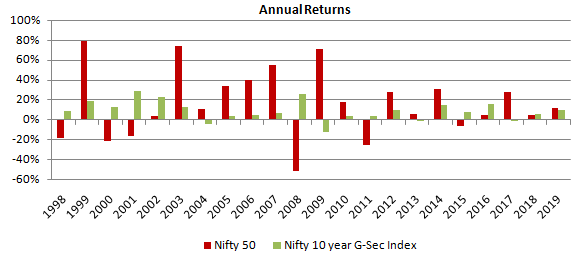
If you do not have sufficiently high risk appetites, then you should invest in debt mutual funds which have much lower risks compared to equity or equity oriented funds. The chart below shows the annual returns of Nifty 50 versus Nifty 10 year G-Sec Index over the last 20 years or so.
Mutual Funds - Annual returns of Nifty 50 versus Nifty 10 year G-Sec IndexSource: National Stock Exchange
SIP in debt mutual funds
Many investors think that only lump sum investments are suitable for debt mutual funds. You can also invest through SIP in all open ended debt mutual fundschemes. You should invest through SIP in debt mutual funds if:-
  • You want to invest from your regular savings in a disciplined manner for long term financial objectives. By investing from your regular savings, you can start early and give more time for investments to grow.

  • You have long investment tenures and want to benefit from the power of compounding. Compounding is interest earned on interest. Compounding leads to wealth creation over long investment horizons.

  • You want to benefit from volatility through Rupee Cost Averaging. Debt funds are market linked instruments and their prices may fluctuate depending on the price sensitivity of their underlying assets to interest rate changes and other factors. Through SIP, you buy units at different price points and average your cost of purchase.
SIP in debt mutual funds can also create wealth
Wealth creation potential of equity funds is known to regular Advisorkhoj readers. Debt mutual funds can also create wealth for investors in the long term. Debt funds invest in debt and money market instruments like commercial papers, certificates of deposits, non-convertible debentures, Treasury Bills, Government Securities etc.
The yields of many debt and money market instruments are higher than bank FD interest rates of similar maturities. Yields of AAA rated corporate bonds can be 150 – 200 bps higher than FD interest rates.
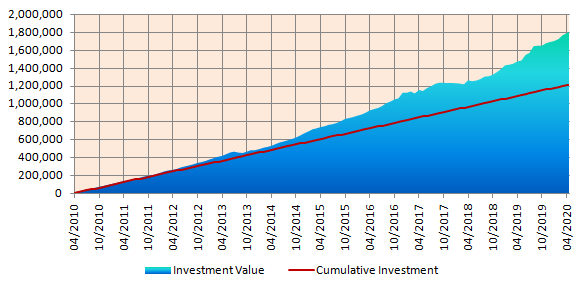
The chart below shows the returns of Rs 10,000 monthly SIP in BSE India 10 year Sovereign Bond Index over the last 10 years. Please note that the underlying asset of this index is the 10 year G-Sec which has no credit risk (sovereign guarantee by Government of India) but high sensitivity to interest rate changes. With a cumulative investment of Rs 12 lakhs, you could have accumulated a corpus of Rs 18 lakhs over the last 10 years. The annualized SIP return over the last 10 year was 7.7%.
Mutual Funds - Returns of Rs 10,000 monthly SIP in BSE India 10 year Sovereign Bond Index
Source: Asia Index (BSE and S&P DJI Venture), Advisorkhoj Research
Let us now see the results of SIP in another debt asset type, corporate bonds. Corporate bonds are subject to credit risks but give higher yields than risk free assets. The chart below shows the returns of Rs 10,000 monthly SIP in BSE India Corporate Bond Index over the last 10 years.
With a cumulative investment of Rs 12 lakhs, you could have accumulated a corpus of nearly Rs 18 lakhs over the last 10 years. The annualized SIP return over the last 10 year was 9.5%.